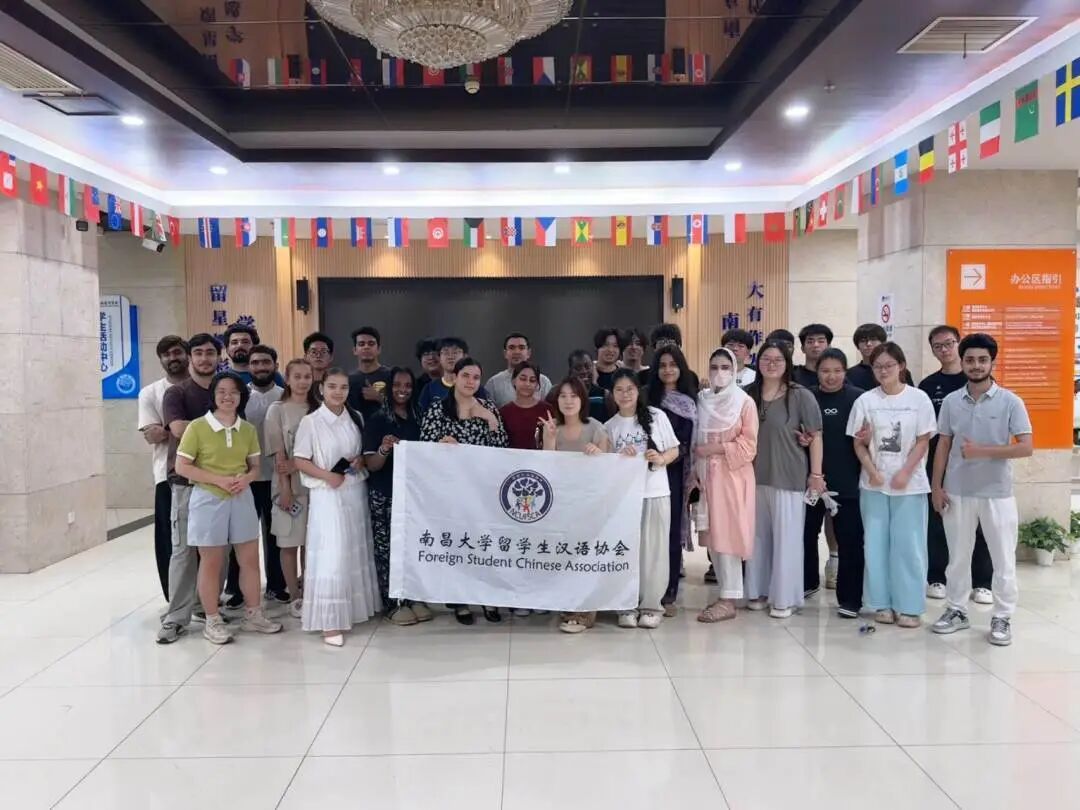
To carry forward China’s intangible cultural heritage, explore the deep cultural connotations of the Dragon Boat Festival, and foster cross-cultural exchanges, the International Students Chinese Language Association at Nanchang University hosted a themed cultural event titled “Green Smoke Weaves around Incense Seals, Come Enjoy the Elegant Charm for Dragon Boat Festival” on June 16, on the eve of the festival, in Classroom IEC103. Thirty Chinese and international students gathered to enjoy an elegant oriental incense experience, connecting with the festival’s cultural roots through the ancient art of incense seal making.
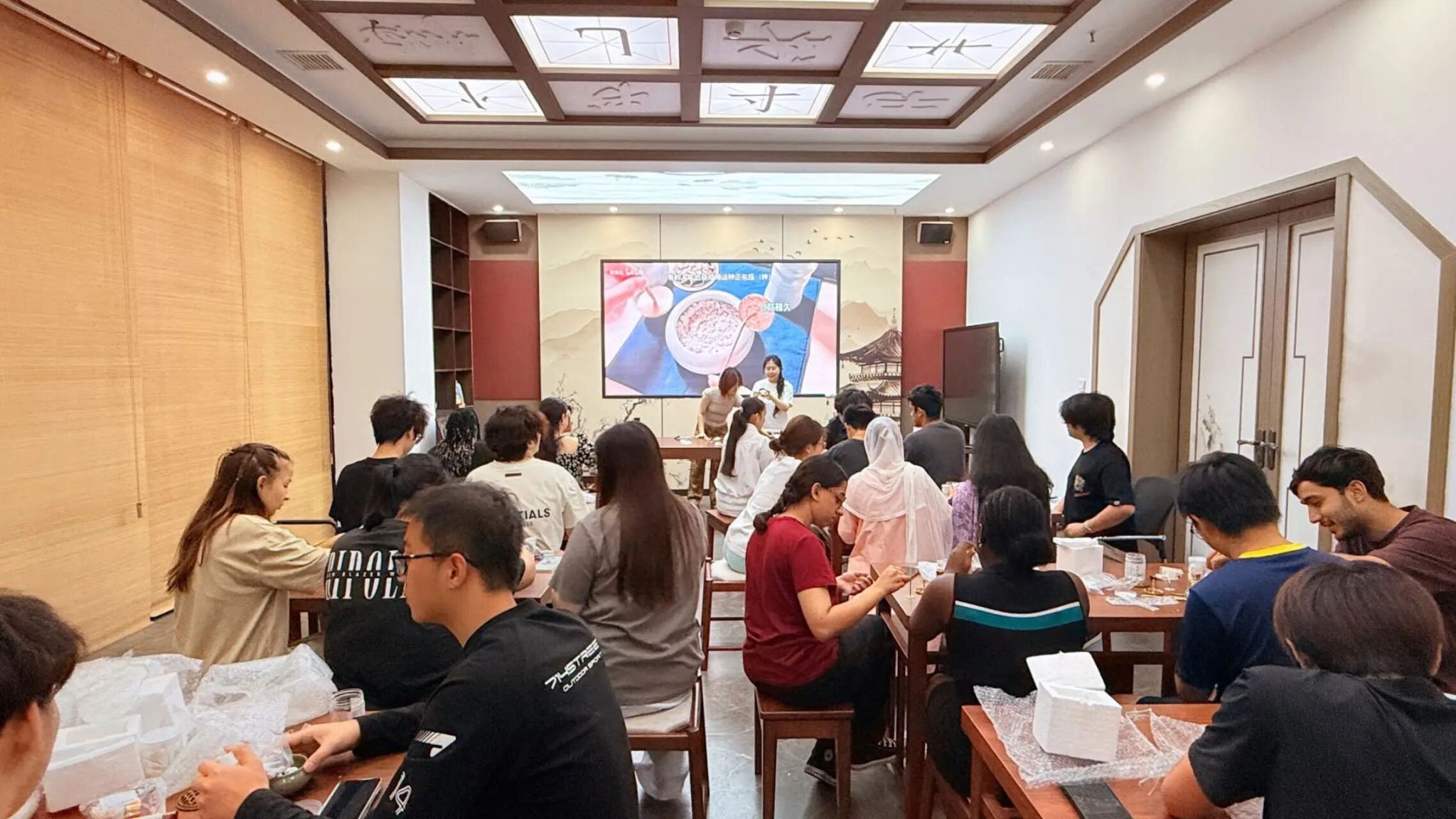
At the beginning of the activity, Ms. Zhao Wenyao gave a detailed explanation of the historical origins, cultural connotations, and Dragon Boat Festival incense customs related to incense seal making. Incense seal making is a traditional intangible cultural heritage craft that has been passed down for thousands of years, used by ancient people to cultivate their minds, calm their spirits, and refine their character. Unlike ordinary incense burning, incense seal making requires filling the mold with incense powder, pressing it flat to shape, and carefully unmolding to create the seal pattern. The entire process calls for a tranquil mind and gentle, meticulous movements, offering both a sense of ritual and a healing quality, which can be described as a “meditation at the fingertips.” In connection with Dragon Boat Festival folk customs, Ms. Jia Jingying also introduced the traditional practice of burning incense during the festival to dispel filth and pray for good fortune. She explained that burning incense not only purifies the air and removes dampness, but also embodies the ancient people’s sincere wishes to ward off evil and seek peace and health, helping students gain a deeper understanding of the cultural heritage behind the art of incense seal making.
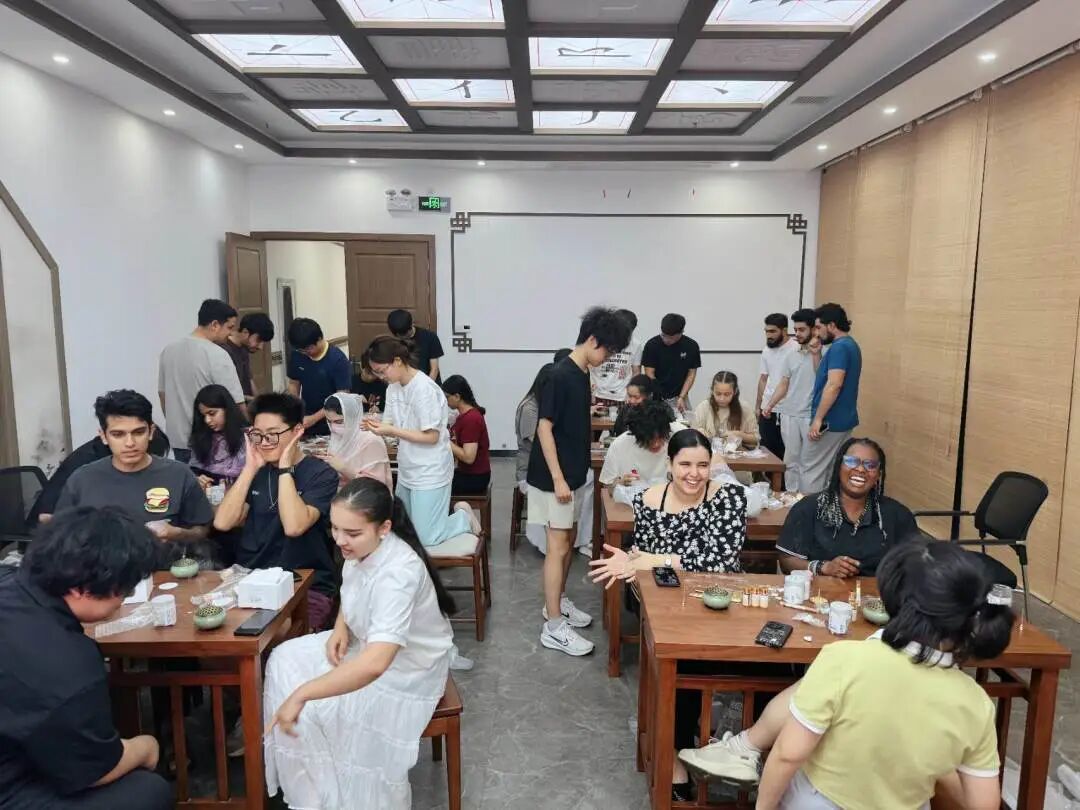
To ensure everyone could master the techniques, the instructors demonstrated the complete process on site: smoothing the ash, leveling the burner, filling the mold, gently pressing, slowly unmolding, and finally lighting the incense. They patiently answered questions, provided hands‑on guidance, and helped participants adjust their pressure and mindset, allowing them to fully immerse themselves in the ritual beauty and craftsmanship of the ancient art.
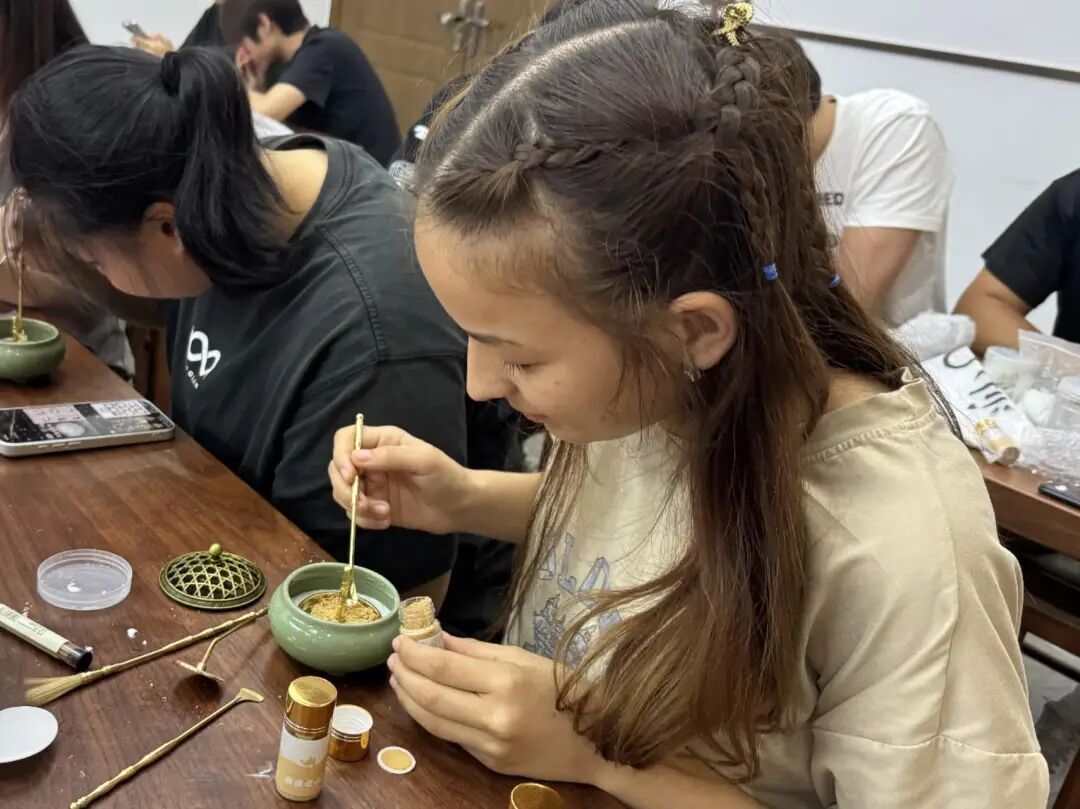
During the practical session, students took turns practicing. They focused intently, carefully smoothing the ash, evenly distributing the agarwood powder into the molds, and gently unmolding to reveal neat, delicate incense seals. When lit, the agarwood smoke rose in soft curls, filling the room with a serene and refined atmosphere.
Amid this tranquil ambiance, students quietly observed the curling smoke and savored the fragrance, gaining insights into the wisdom of ancient Chinese self‑cultivation and the refined aesthetics of traditional life. The simple act of shaping the incense embodied centuries of cultural heritage, while the rising smoke carried the enduring sentiments of the Dragon Boat Festival, leaving each participant with a sense of inner peace and cultural enrichment.
International students found the experience refreshing and therapeutic. While they had previously known only about zongzi and dragon boat races, this activity revealed a new facet of the festival’s culture and the art of incense. Through hands‑on practice and quiet appreciation, they experiencing the elegance and inclusiveness of Chinese culture, and understanding how the Chinese use incense for self‑cultivation and to convey emotions through customs. The meditative process not only alleviated academic stress but also brought them closer to the unique aesthetic of Eastern traditions.
By blending folk customs, intangible cultural heritage, and aesthetic education, this activity pioneered a fresh approach to cultural transmission. Using incense as a medium and craftsmanship as a vehicle, it allowed Chinese and international students to appreciate the legacy of thousand‑year‑old craftsmanship and the cultural depth of the Dragon Boat Festival. It enriched campus life, promoted cross‑cultural interaction, and presented Chinese traditional culture in a gentle, vibrant way that transcends borders, ensuring that the elegance of intangible heritage continues to thrive through youthful exchanges.


